See Workbooks in action
Don't miss out: Claim a free 90-minute CRM Success Workshop now
Don't miss out: Claim a free 90-minute CRM Success Workshop now

Get clear dashboards and analytics

Automated campaigns and customer journeys

Accurately monitor, forecast, and plan your sales

Manage invoices, contracts and order from one tool

Boost productivity and drive your sales process

Manage projects, track revenue and budget
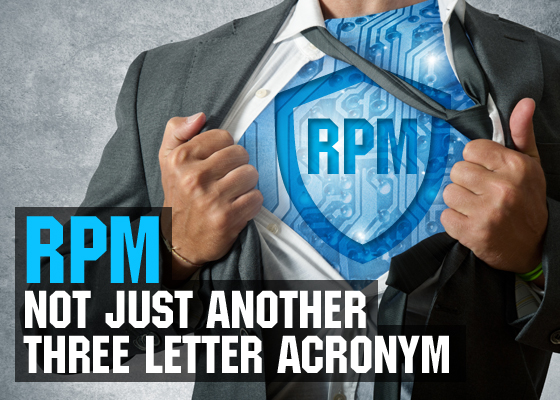
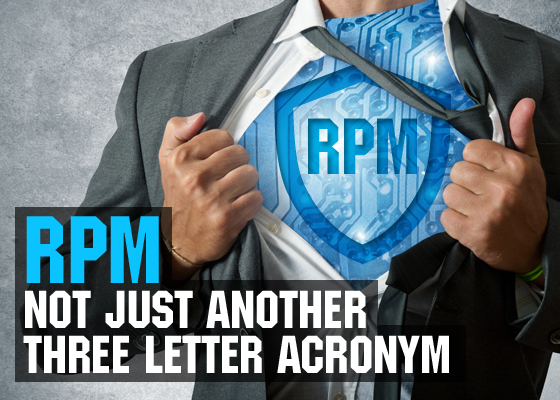 Revenue Performance Management (RPM) takes CRM to the next level.
Revolutions per minute? No, not in the context of Customer Relationship Management or business methodologies anyway. According to Bob Thompson at CustomerThink.com,
“RPM is a technology-enabled strategy to increase total revenue productivity. Period. It’s not any more complicated than that.”
RPM gives your business an overview into its overall revenue productivity. Unlike traditional metrics available through CRM, finance and ERP systems, which focus on particular departments or business units, RPM looks at the effect of joined-up sales and marketing efforts on the company as a whole.
Despite efforts to create “joined-up” business, most departments retain their own data stores or “silos”. Some software platforms allow data sharing between a couple of departments, but RPM seeks to completely demolish internal barriers between sales and marketing in its goal of total transparency, creating a seamless team.
At the same time, RPM methodology allows each department to focus on its own responsibilities.
“When marketing takes a larger share of responsibility for pipeline generation and uses lead nurturing and lead scoring to help sales focus on the hottest leads and opportunities, it frees sales to focus time on productive activities such as selling.” Jason Miller – Marketo.
Although CRM software plays its part, RPM goes beyond software.
“Revenue Performance Management is a set of ideas about how companies can grow and accelerate revenue growth by taking advantage of these very broad changes in the way buying and selling takes place in our economy.” – Phil Fernandez, “Revenue Disruption”.
Despite being a relatively new kid on the block, RPM is already turning out some impressive statistics:
Source: 2012 Marketo RPM Benchmark Survey
There are a number of issues to consider when creating your own RPM strategy, but the key question to answer is:
“What are the best practices of the companies which demonstrate the highest growth and most productive revenue engines?”
Answer that, and your business is well on the way to leveraging Revenue Performance Management for enhanced profit and greater efficiency.